

The smartphone market in Southeast Asia (SEA) is highly diverse. User preferences, market shares, and brand growth rates vary significantly...

22 July, 2025

Modern CGI movies captivate audiences with bold, creative decisions. Entire universes are brought to life on screen—Marvel, DC, The Lord of the Rings—offering experiences that feel as immersive as real-life adventures. But what was the start? In this article, we’ll explore the first CGI movie and how cinema has evolved over the decades.
In 2025, the CGI market is valued at $7.73 billion and is projected to reach $19.85 billion by 2033. Such rapid growth highlights the importance of computer-generated imagery, which has become essential to today’s film industry. Digital technologies breathe life into characters and worlds, enhancing scenes with a rich visual atmosphere.
But before we dive into the history of the CGI movie, let’s define what CGI is.
CGI (Computer-Generated Imagery) allows creators to produce 2D and 3D visuals that leave a lasting impression on viewers. From charismatic animation and striking visual effects to photorealistic objects, the creative use of CGI evokes strong emotions and enhances memorability.
We’ve previously explored the origins of 3D animation. Now, let’s look at the first CGI movie and the breakthroughs that followed.
In 1973, cinema took its first step into the digital era. The debut of computer graphics came with the release of Westworld. This marked a new frontier for directors and producers. While the early CGI scenes were modest compared to today’s standards, they paved the way for groundbreaking innovation in filmmaking.
The creators of Westworld used CGI to simulate the point of view of a robotic gunslinger. The world was shown through pixelated 2D animation. To achieve this effect, scenes were first shot with a regular camera. And then digitally broken down into small squares on a computer. It was a groundbreaking technique for its time.

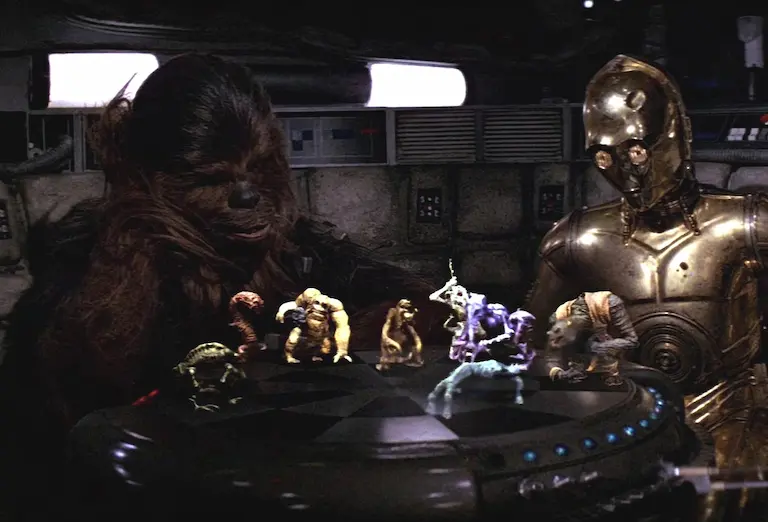
This iconic franchise is known for its practical effects, like model spaceships and animatronics. However, it also featured early use of 2D animation. In a scene aboard the Millennium Falcon, Chewbacca and R2-D2 play Dejarik — a holographic board game with animated monster figures created using CGI. Additionally, computers were used to calculate special effect trajectories. Some of the spacecraft flights and laser shots were digitally generated. That marks a major step forward in cinematic visual effects.
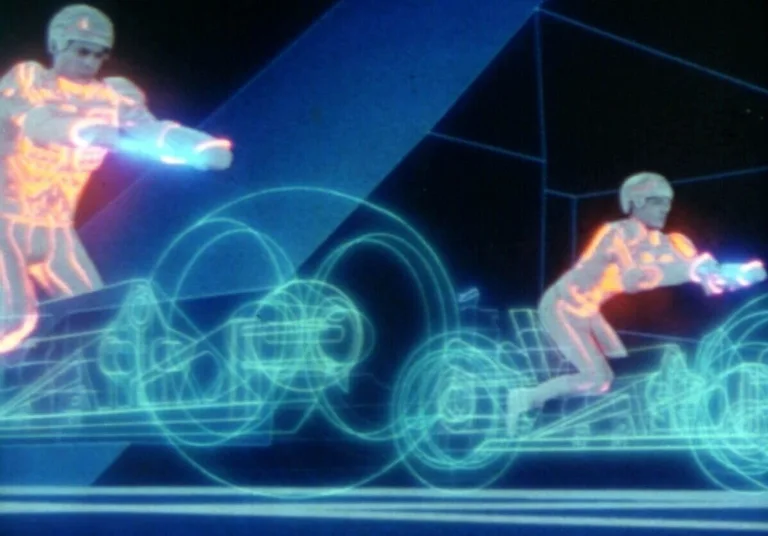
Tron was a groundbreaking movie that laid the foundation for future blockbusters like Terminator 2 and The Matrix. It featured around 15–20 minutes of CGI-based footage — a major innovation at the time. Artists created numerous digital backgrounds and light cycles using early computer graphics. The movie also employed rotoscoping — a technique where filmed footage is traced frame by frame to create animated sequences. The iconic light cycle race, Sark’s facial recognition scene, and the digital landscapes were all the result of these pioneering CGI techniques.
Director Nick Castle made a bold move by choosing to create the film’s spaceships and space battles using computer graphics. It was a significant departure from the physical models widely used at the time. The visuals were generated using a Cray X-MP supercomputer. Each frame was taking 6–8 hours to render. In total, about 27 minutes of the movie consist of CGI.
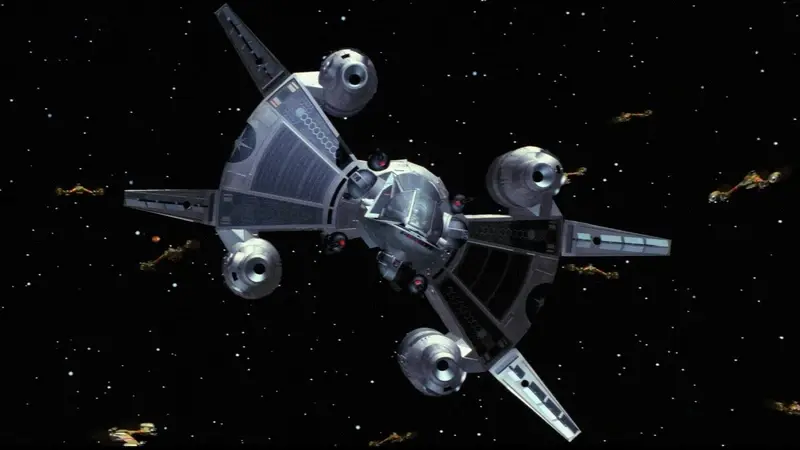
The creators of Flight of the Navigator used CGI to produce futuristic effects and depict alien technology. The Trimaxion spaceship was designed with computer graphics and could morph from a sphere into a sleek, aerodynamic shape. This effect was achieved through a combination of frame-by-frame animation and CGI. Additionally, the film utilized specular mapping to simulate realistic reflections on surfaces.
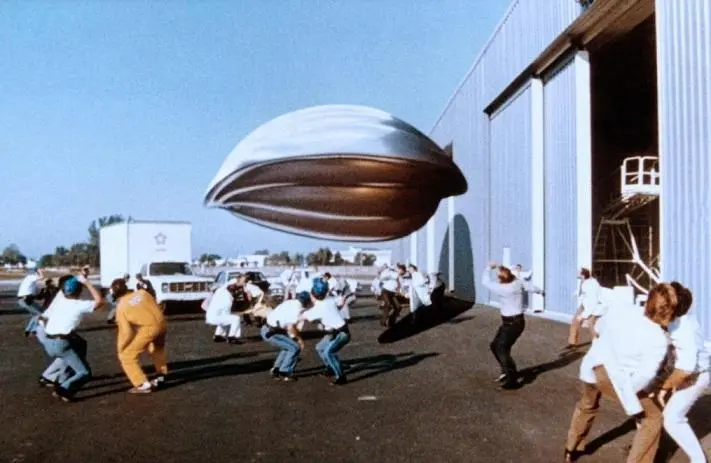
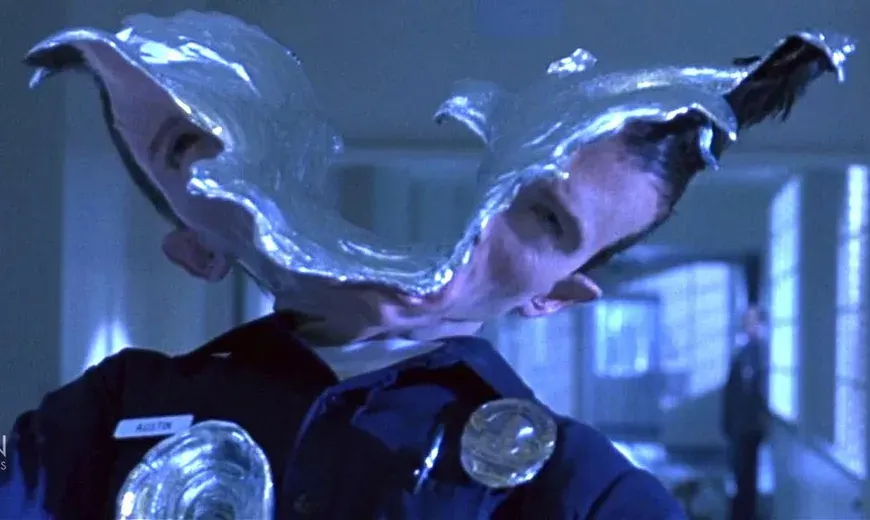
In Steven Spielberg’s action film, computer graphics were used in just one key scene — when Donovan’s head melts and turns to dust. How exactly was CGI involved? Several animatronic heads were created for each melting stage of his face, and these were digitally composited together. This marked the first instance of digital compositing using live-action footage.

James Cameron and the studio Industrial Light & Magic (ILM) set a new benchmark for future sci-fi films. The character T-1000 was entirely created using CGI. He could morph into various forms, pass through metal bars, and regenerate from gunshot wounds. CGI was also used in Sarah Connor’s dream sequence, where a city is destroyed by a shockwave, as well as for the 3D skeleton of the T-800.
Titanic became a CGI phenomenon, drawing millions of viewers to the screen. Many don’t realize just how much CGI was seamlessly integrated into this live-action drama about a sinking ship. The crowds on the deck were digital characters, creating the illusion of mass scenes. The ship breaking apart, collapsing decks, and drowning passengers were achieved through a clever blend of miniatures and computer graphics. In most sequences, the filmmakers used a digital version of the massive ship.
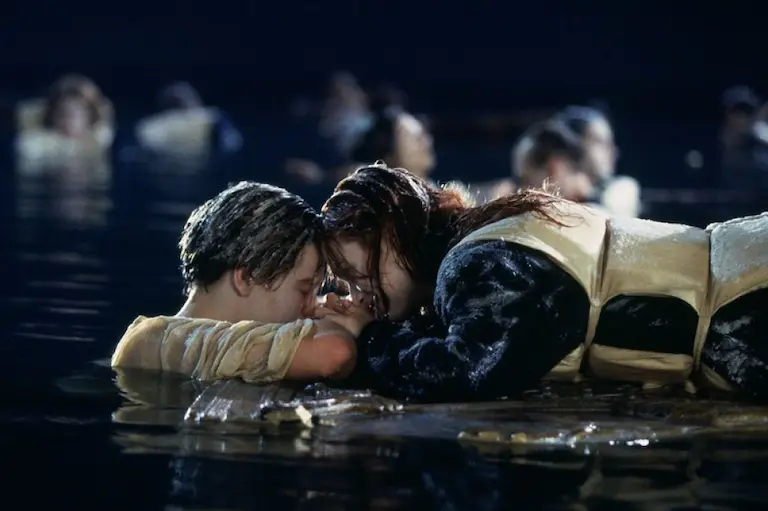
Interestingly, Titanic was the first CGI movie to use hydrodynamic water simulation inside the vessel. Why was the CGI so unnoticeable? Because James Cameron meticulously blended computer graphics with real footage, and the emotional drama was so engaging, audiences didn’t focus on the effects.
With the advancement of technology, the line between reality and CGI has almost completely blurred. Characters with digital faces, stylized landscapes modeled down to the finest detail — it’s now nearly impossible to tell where practical effects end and visual effects begin. Let’s dive into five visually striking CGI movies, two of which even won Oscars for Best Visual Effects!
In Dune, CGI was used to bring the desert planet Arrakis to life, from the colossal sandworms and spacecraft to stunning visual effects and elaborate set designs. Every texture of rock, sand, and stone was meticulously crafted to look realistic. While many sets were built physically, CGI was used to expand the environments and create seamless transitions between real and digital elements.

We already know that the planet Pandora was created by CGI. But in this movie, it reached new heights and set the standard for other photorealistic visuals. Advances in rendering and lighting made it possible to capture caustics and rays passing through water with stunning realism. The CGI movie also featured exceptionally detailed textures, from the characters’ skin and hair to the flora and fauna of Pandora. Motion capture technology brought characters’ facial expressions and emotions to life with remarkable precision.

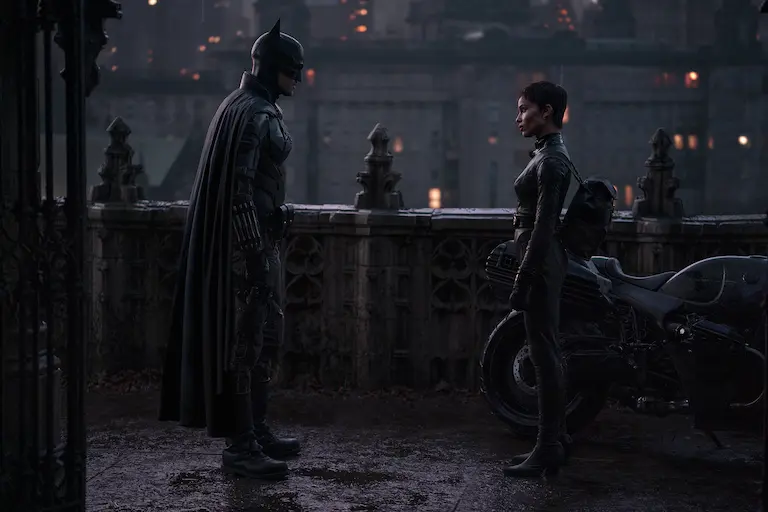
In The Batman, CGI is used as a subtle tool to maintain the dark and gritty atmosphere of Gotham. Practical sets and real footage were seamlessly blended with digital effects. In several scenes, stunt doubles were used to reduce the risk of injury during dangerous action sequences.
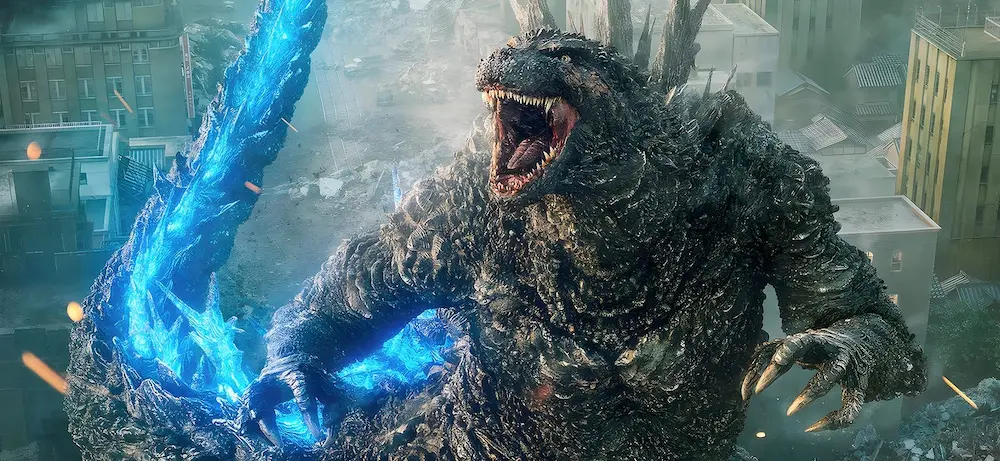
Despite having a limited budget, Godzilla Minus One made impressive use of CGI. For the first time in the franchise’s history, the iconic monster was entirely computer-generated — no rubber suits involved. Godzilla was rendered with incredible detail, including realistic muscle structure and movement. CGI also helped preserve the nostalgic 1990s atmosphere. The film went on to win an Oscar for Best Visual Effects.
You’ve probably heard about the success of this film. The internet lit up with the news that Dune: Part Two won the Oscar for Best Visual Effects. The CGI movie reached new heights of realism! In addition to the techniques used in the previous installment, the creators introduced a new method: artificial intelligence. AI was integrated into the film to enhance the characters’ signature blue eyes. It recognized the dialogue and automatically adjusted the eye color accordingly.
CGI technology has made a breakthrough in the film industry, enabling directors and producers to create visually stunning and immersive blockbusters. We’ve put together a list of the 10 CGI-driven movies that have grossed billions of dollars worldwide.
| Film Title | Release Year | Global Box Office (USD) |
| The Lion King | 2019 | $1,662,020,819 |
| Jurassic World | 2015 | $1,671,537,444 |
| Spider-Man: No Way Home | 2021 | $1,921,373,347 |
| Avengers: Infinity War | 2018 | $2,052,415,039 |
| Star Wars: The Force Awakens | 2015 | $2,071,310,218 |
| Titanic | 1997 | $2,264,750,694 |
| Avatar: The Way of Water | 2022 | $2,320,250,281 |
| Avengers: Endgame | 2019 | $2,799,439,100 |
| Avatar | 2009 | $2,923,706,026 |
| Inside Out 2 | 2023 | $1,693,216,995 |
At Acquisition.mobi, we specialize in CGI production and help our clients unlock their potential through creative and unconventional solutions. Advertising, film, games, and large-scale screens — our team of artists develops high-quality CGI solutions that bring stories to life.
Interested in collaborating? Send your inquiry to cgi@acquisition.mobi.
The smartphone market in Southeast Asia (SEA) is highly diverse. User preferences, market shares, and brand growth rates vary significantly...

Your mobile application can be exceptional. Nevertheless, users won’t discover it if it gets lost deep in the query results....