

We continue to strengthen our position in the international market and gain recognition for the high quality of our services....

25 May, 2026

Animation is a fully developed visual storytelling language that reflects the cultural characteristics of different countries. American, French, and Japanese animation schools evolved independently, shaping their own distinctive styles in animated films. In this article, we compare different animation styles.
Global animation has come a long way before recognizable animation schools and styles were formed. The first steps were taken in 1906, when the animated film Humorous Phases of Funny Faces was documented in the United States. What types of animation styles are there? How many animation styles are there? Let’s discover popular animation styles examples.
Talking about the American animation style, the Disney style is often the first thing that comes to a mind. Walt Disney, striving for excellence in animation, laid the foundation for high-quality animated filmmaking. We remember the early cartoon animation styles that impressed audiences with realistic movement and emotional appeal. They created a true wow effect by relying on the 12 principles of animation during production.
The aim was to convey the weight, rigidity, flexibility of an animated object. To create a comedic effect, figures could be excessively stretched or squashed.
Before a character performs the key action, preparation is needed. The stronger and more expressive the key action is, the more noticeable and emphasized its anticipation should be.
The objective is to attract and maintain attention on a specific scene. To achieve clear and effective visual storytelling, animators utilized light and shadow. They also controlls the angle and positioning of the multiplane camera.
By choosing a “straight ahead” method, animators create sequential 2D/3D character animation from the first pose to the end of the scene. A “pose to pose” approach involves setting keyframes first and afterwards adding intermediate poses. Read more about the stages of CGI production here.
This principle allows a character’s motion obey the laws of physics and increases realism. Follow-through determines that individual body parts continue moving for a short time after the character has stopped. Overlap shows that different body parts can move at different speeds and along different trajectories.
Just like a real person, an animated character or object needs time to speed up or slow down. For example, a train moving at 150 miles per hour cannot stop abruptly. It requires a gradual deceleration. Similarly, a runner cannot instantly start running from a static pose. They need acceleration, meaning a smooth build-up of motion.
The movement of an animated character follows curved paths and can apply both to a limb rotating at a joint and to an object moving along an arc, for instance, when being thrown.
To make a character more expressive and charismatic, the key action is complemented by secondary ones. For instance, a character walking down the street might also turn their head from side to side or swing their arms. It’s crucial to maintain balance so that secondary actions don’t draw attention away from the main action.
When developing 2D and 3D animation styles that were, at the time, drawn by hand, it was necessary to determine how many frames were required for a given action. This calculation improved the physics of movement and helped establish the character’s mood.
Hyperbolized character reactions or movement amplitudes made Disney animation more expressive and dynamic.
Disney always aimed to create character’s silhouette clear, with well-defined forms and a properly balanced center of gravity, to avoid awkward or unnatural poses in the frame.
The concept known as actor charisma. We observe performance on screen and form a certain opinion about a character. The same applies to animated characters. Viewers should feel interest in characters, even if they are a villain in the story. Facial expressions, proportions, and a well-developed personality help give animated characters charisma and appeal.
The American animation style is characterized by its precision, smooth motion, and attention to detail. Disney consistently leveraged a layered animation technique, refining the process to perfection. The idea was about the background that was painted separately in gouache. The 2D character was drawn on a transparent medium.
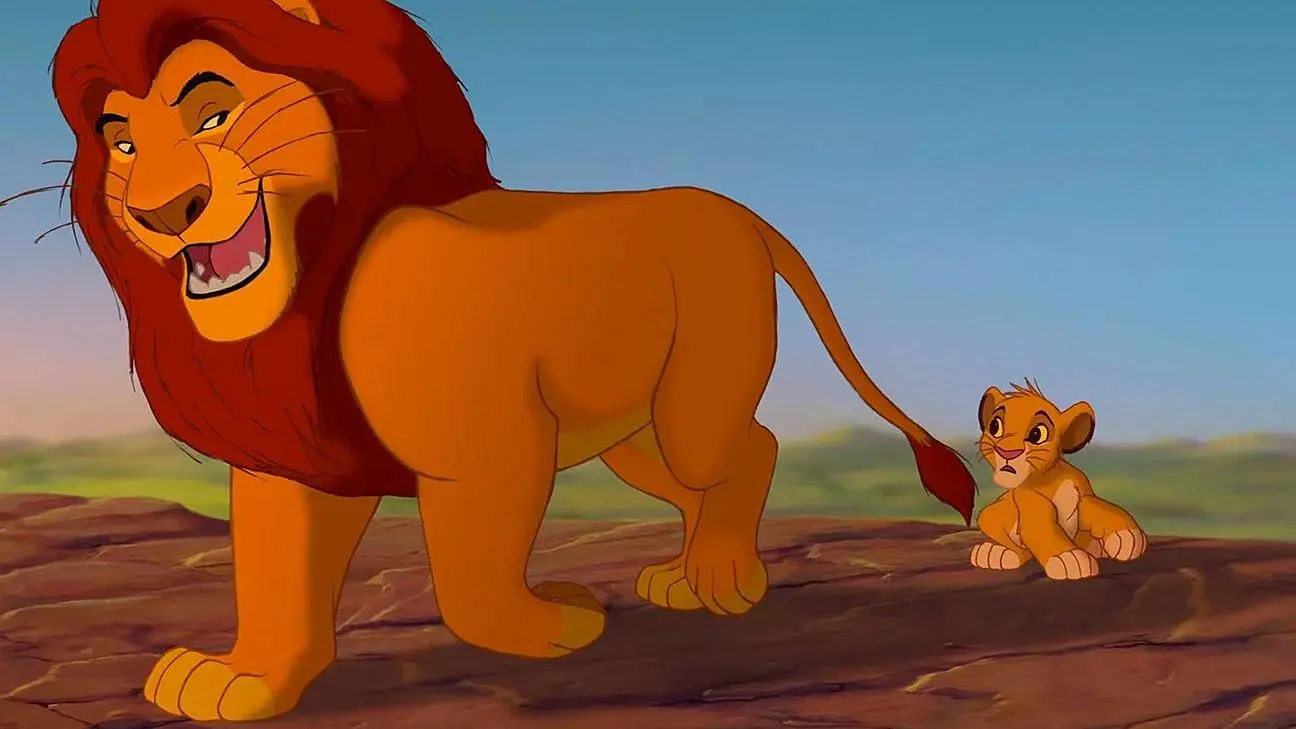
By the way, Disney was the one who draw inspiration from real-life observation. In the process of Bambi development, Walt Disney organized trips to a zoo to allow artists to study animal movement and better replicate it in animation. Later, the studio even built a small private menagerie. Today, the approach may seem commonplace, but those times, Disney’s animation methods were considered revolutionary. No surprise this is one of the most famous animation styles.
A breakthrough in animation was the successful combination of traditional animation with computer-generated imagery (CGI). More than 600 artists were involved, experimenting with CGI effects and refining craft.
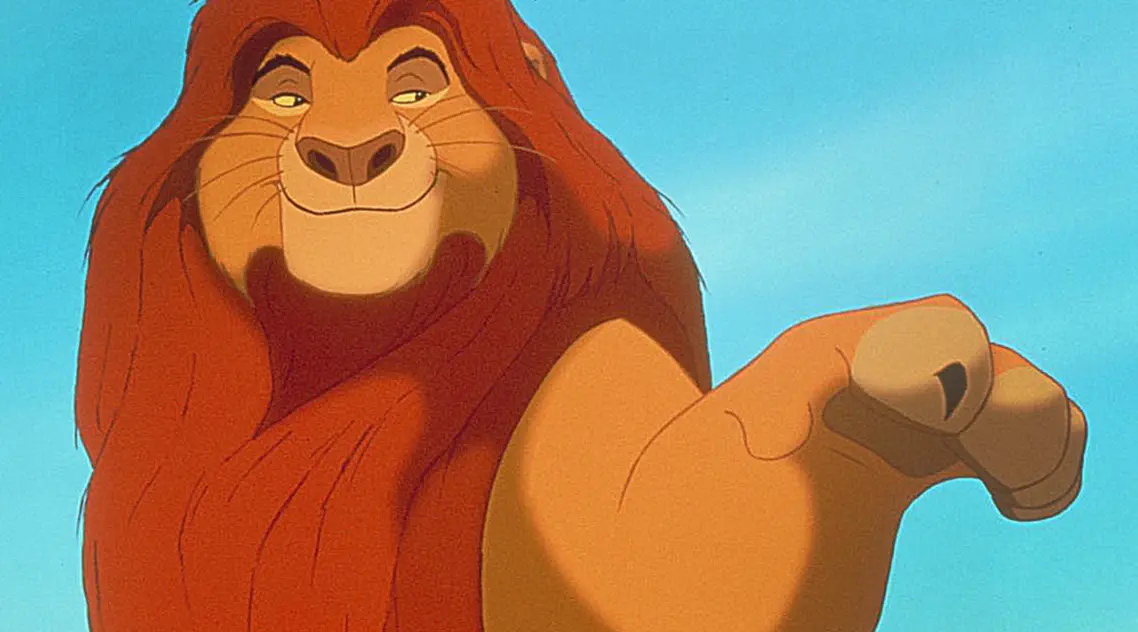
As mentioned earlier, Disney aimed for realism. The team visited Africa to see the behavior and movement of lions, zebras, cheetahs, and other animals featured in the film. Thanks to such observations, The Lion King presented unique character designs and distinctive mannerisms that reflected emotions.
Mufasa appeared noble to the audience. His uncle Scar was portrayed as cruel, which was expressed through his gait and cold, sinister gaze. The deep psychological development of each character created a strong emotional response from viewers.
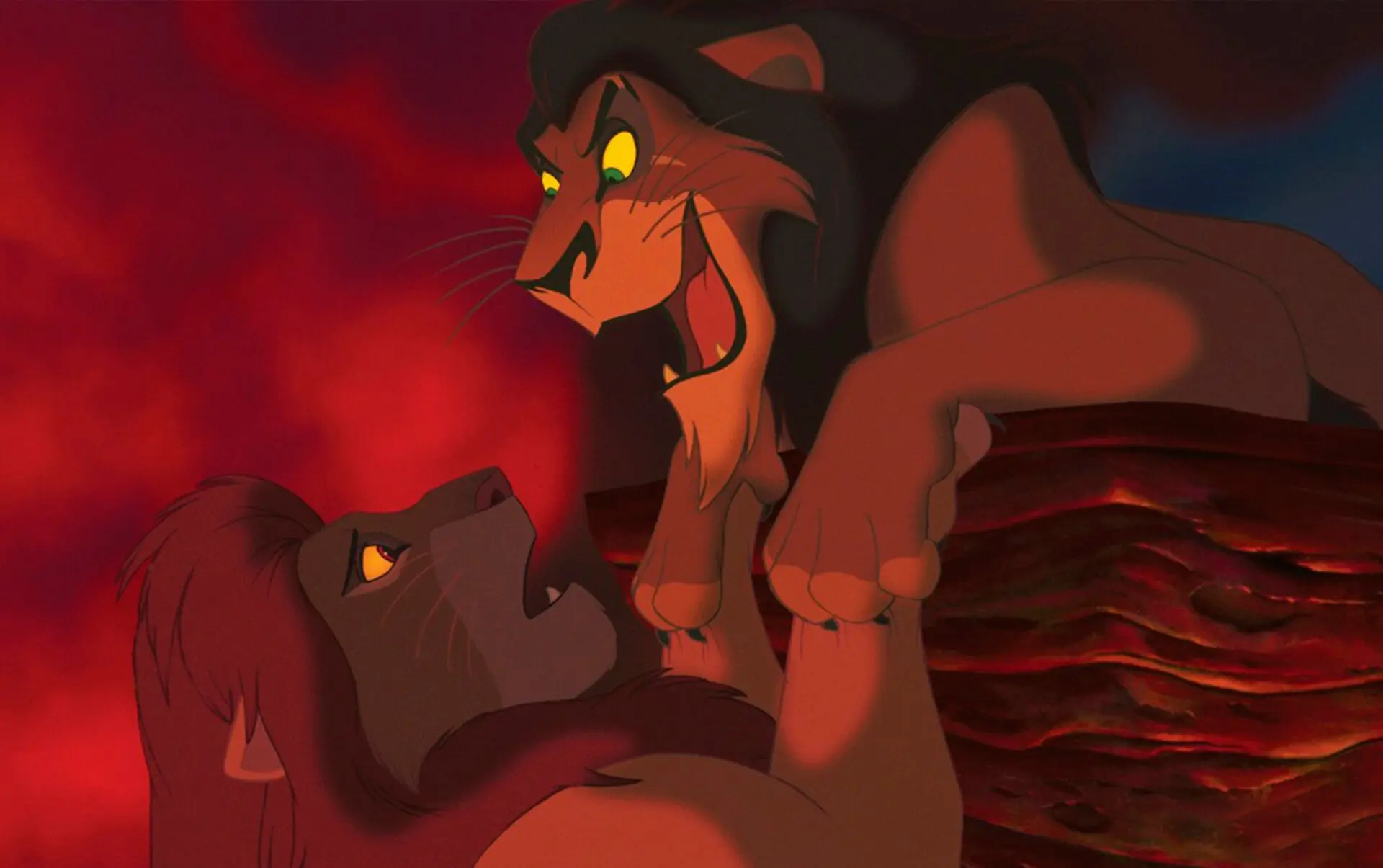
Leveraging animation as an example, it becomes clear that the American animation style is characterized by natural movement and facial expressions, rich environments, and high levels of detail.
The French animation style differs significantly from the American one. This is largely because the country doesn’t have the same level of resources or the same number of large production studios as the United States. But why is French animation so good?
Although creators don’t focus on realism and charisma, they concentrate on ideas and concepts. They often express techniques such as squash, stretch, and the exaggeration of 2D/3D characters. While in American animation, emotions and character traits are conveyed through facial expressions and movement, in French one they are expressed via shapes, contrast, and comedic effect.
A striking example of French animation is the Asterix and Obelix series. It’s based on the comics by René Goscinny and Albert Uderzo. The first full-length movie, Asterix the Gaul, was released in 1967 and established traditions of the national animation school.
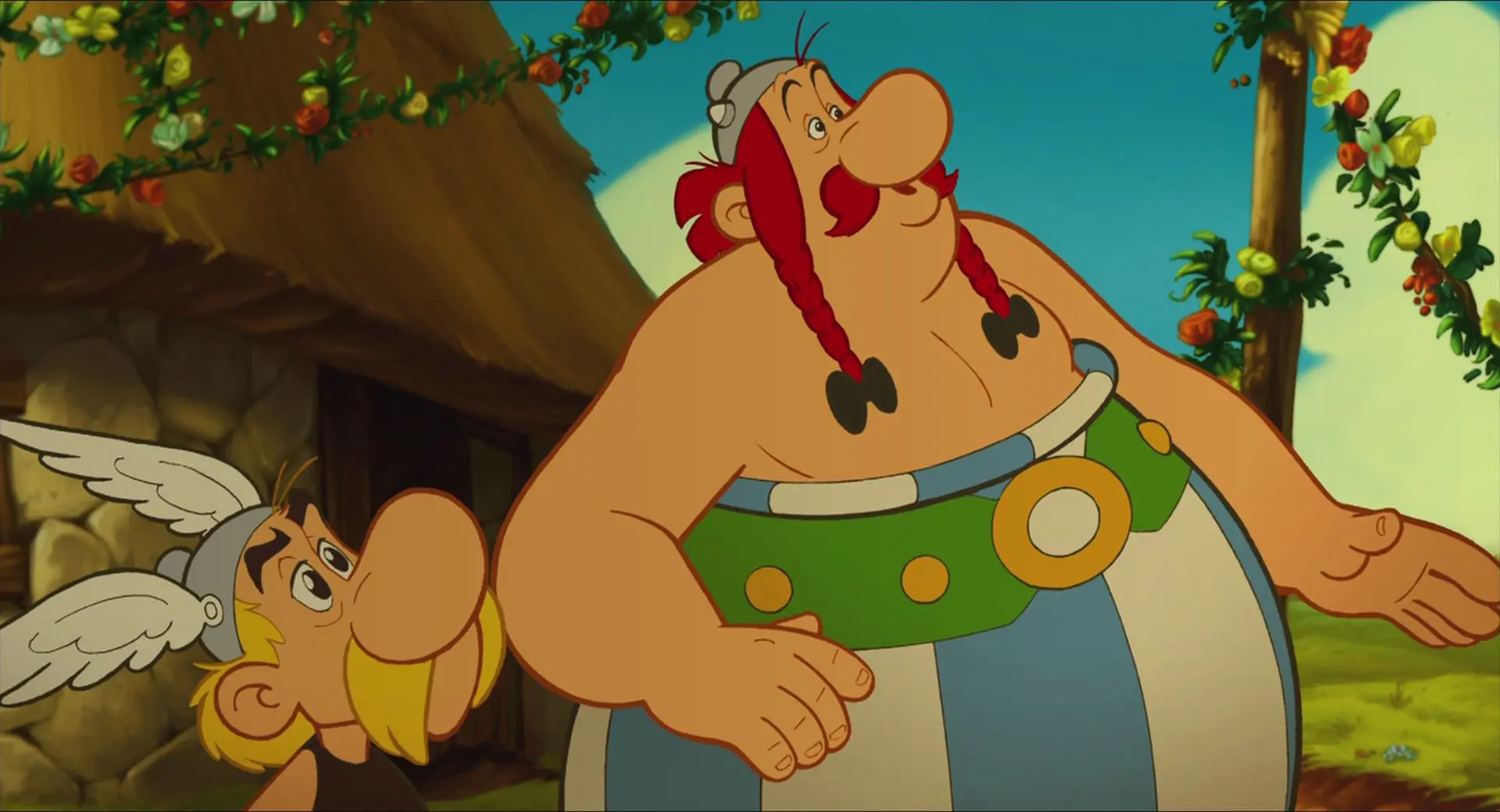
The visual design of 2D characters is based on deliberate exaggeration. Asterix has an enlarged nose and feet. Obelix is given a pear-shaped body (a large belly contrasting with short legs). Their movements convey a sense of playfulness and lightness. Simple lines and bright colors were a core principle of hand-drawn animation in the 1960s.
In February 2026, Les Légendaires was released in theaters, showcasing the French style was improved while remaining faithful to its core principles. The animation quality has undoubtedly increased because of the emergence of more powerful software, but the emphasis is still placed on the story concept.
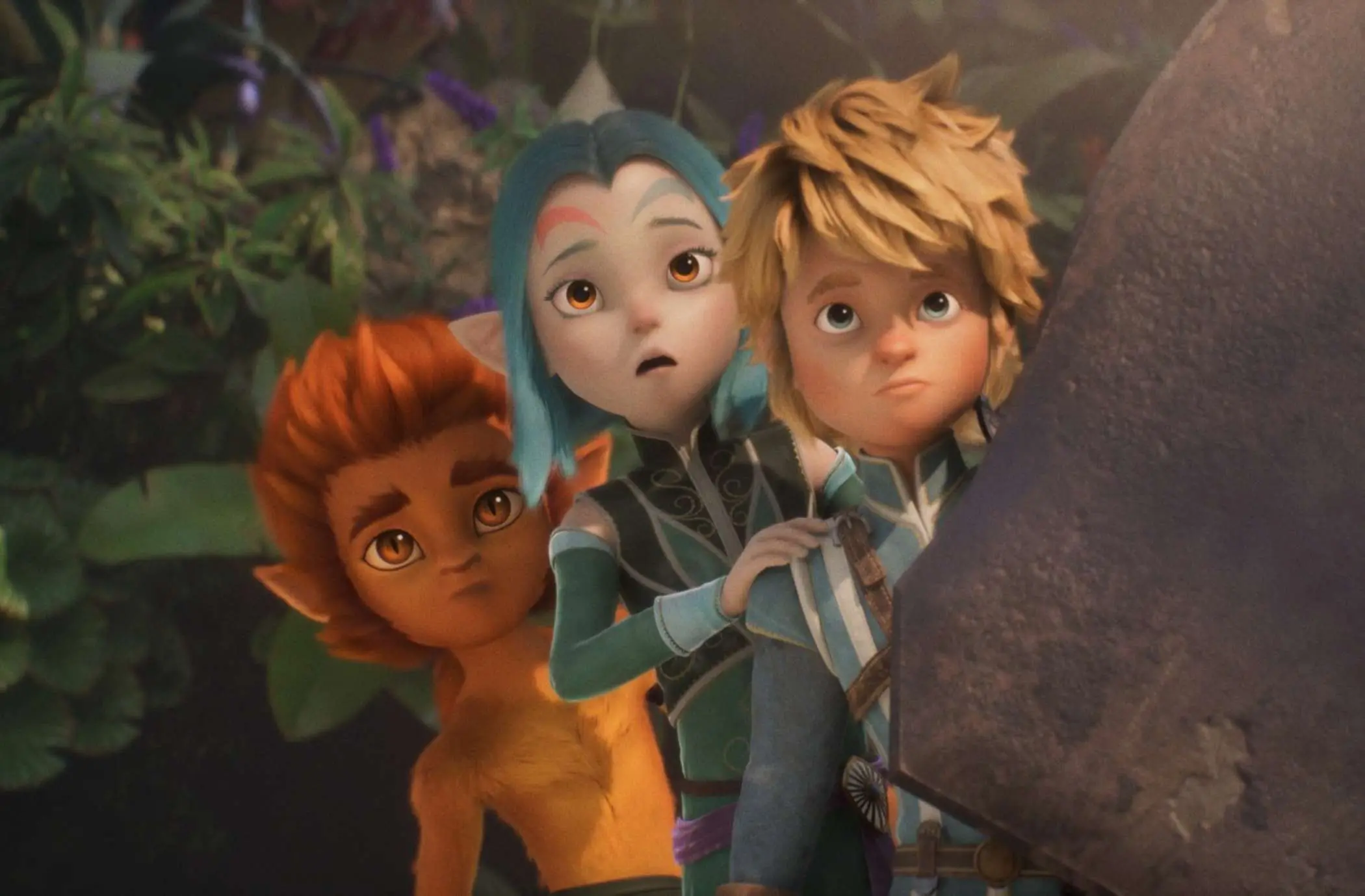
“In my opinion, the work does not present a clearly defined new visual narrative. I would not classify it as a work of visual art. Without a doubt, the piece is executed with high quality, professionalism, and in line with production standards. However, visually, it does not stand out from many similar projects. In this case, the main emphasis may be placed on the plot and storytelling, while the visual aspect plays a supporting role,” notes our Head of CGI, Aleksandr Batura.
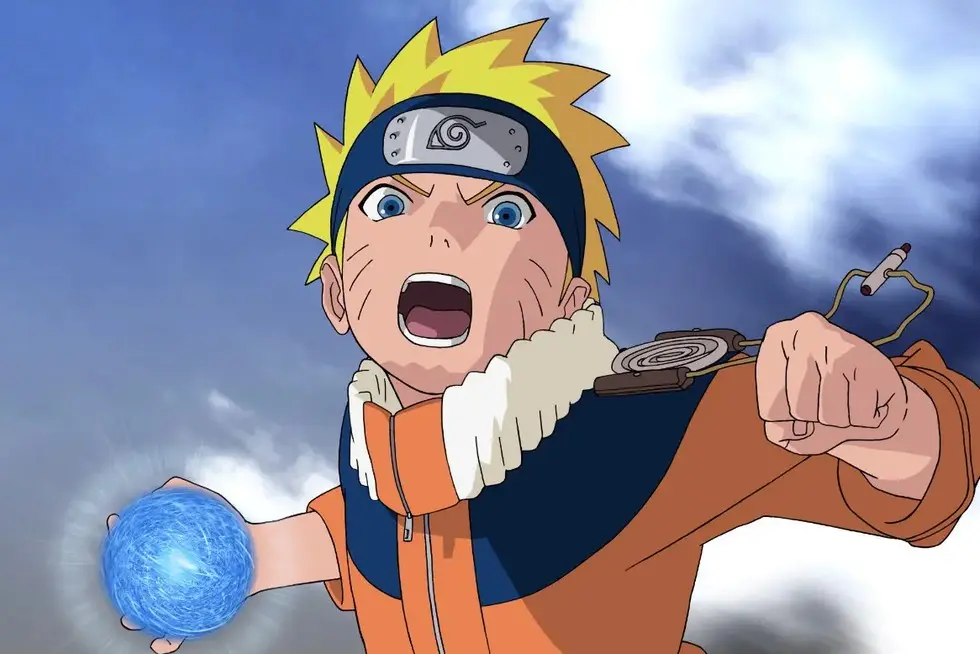
The foundations of the Japanese animation style were laid by Osamu Tezuka, who was inspired by Western techniques. Some elements were borrowed from Disney studios and adapted to fit cultural characteristics. The peak of anime came in the 1980s–1990s: Dragon Ball, Akira, and Princess Mononoke won the hearts of audiences. In the early 2000s, Japanese animation entered the international market and gained popularity thanks to anime series such as Sailor Moon, Naruto, and Detective Conan.
It’s worth mentioning that Japanese animation is created for a specific audience. Before developing the plot and 2D characters, creators take into account the viewer’s gender, age, and psychological profile, as there is no strict censorship in Japan, and anime can address quite mature themes.
The stylistic features of Japanese animation were influenced by the West. As in American one, CGI artists pay close attention to character details. The emphasis is placed on eyes—they are drawn larger and with greater clarity. In contrast, a mouth and a nose are usually depicted as thin, curved lines (except when a character is speaking).
Moreover, in Japanese animation, a character’s age and personality are conveyed through their eyes. For example, children have larger eyelids, while elderly characters have smaller ones. If a 2D character is modest and intelligent, they are often drawn wearing glasses.
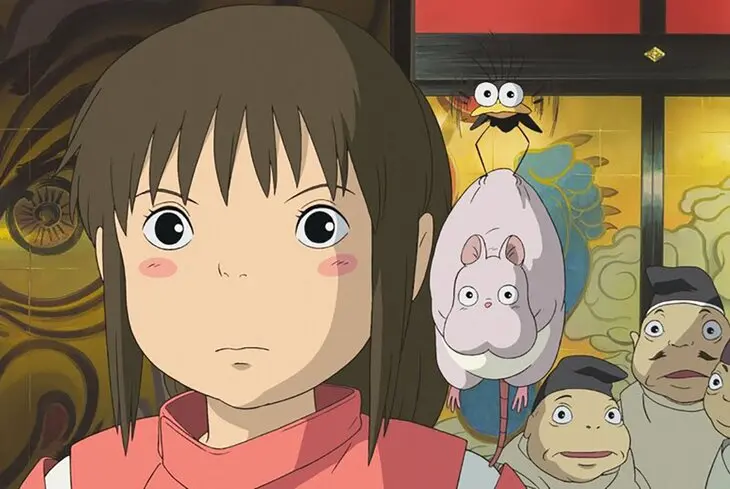
When creating anime, artists leverage limited animation, reusing and looping frames to draw attention to specific character traits, music, and storytelling. Additionally, sharp camera movements are utilized to convey dynamism within a scene.
Another feature of the anime style is the use of still frames for characters and environments. In other words, everything around may freeze while only the speaking character remains in motion.
At Acquisition.mobi, we produce high-quality animated content, turning raw ideas into memorable and visually striking stories. Our CGI production team creates 2D and 3D types of animation styles, motion design, and video content. If you are interested in collaboration, please send your request to cgi@acquisition.mobi.
We continue to strengthen our position in the international market and gain recognition for the high quality of our services....
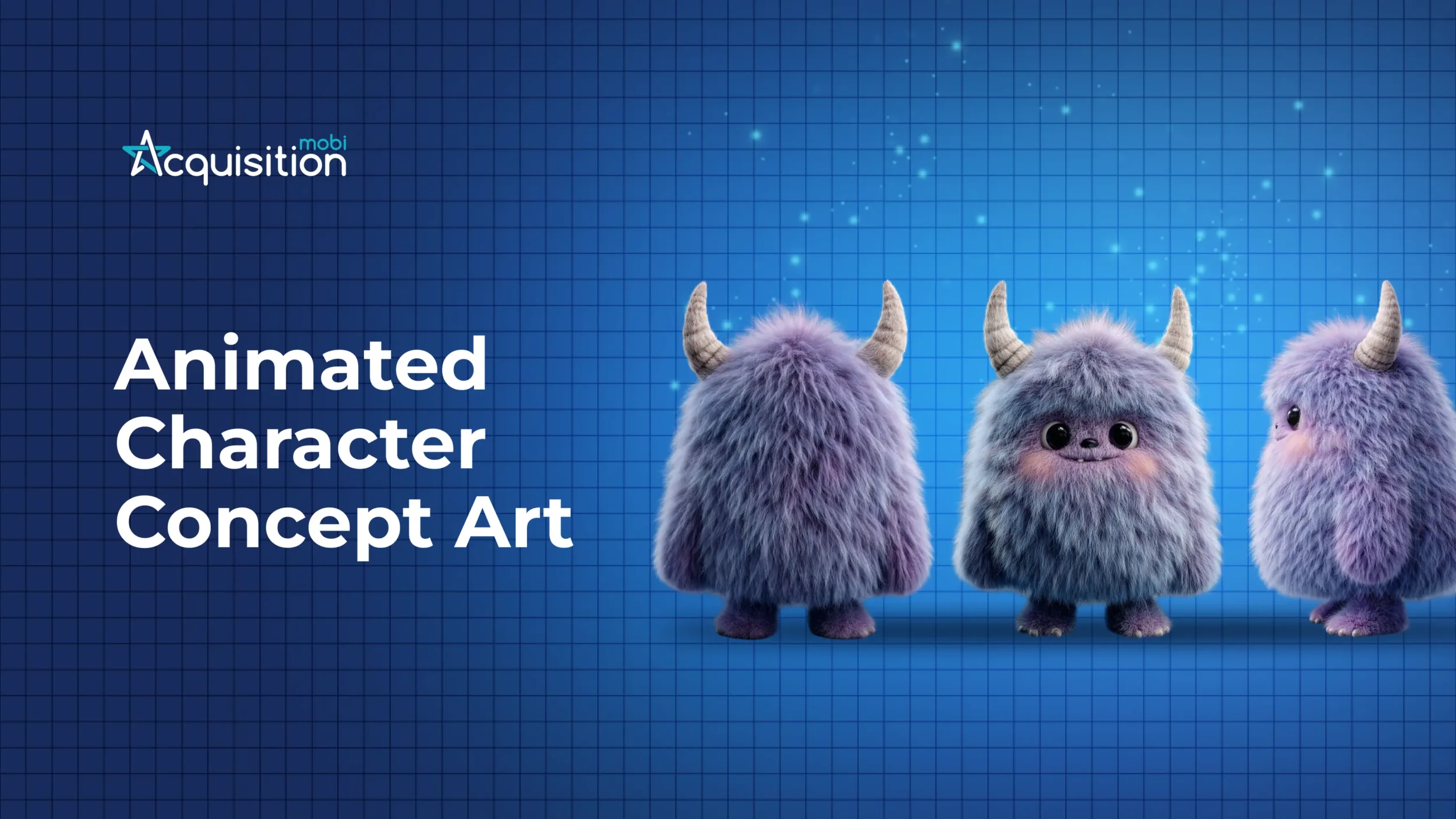
Concept art is the foundation of any visual project. Its creation requires creativity, attention to detail, and strong technical skills....