

The smartphone market in Southeast Asia (SEA) is highly diverse. User preferences, market shares, and brand growth rates vary significantly...

02 October, 2025

UGC is no longer exclusively “user-generated content.” With the rise of artificial intelligence, marketers are facing a new reality: you can enter a prompt and instantly generate a sales-driven video. But does this content bring the same level of trust as content created by real people? And where is the line that, once crossed, puts a brand at risk of losing audience loyalty? Let’s break it down by diving deeper into AI UGC content in this article.
In the era of digitalization and rapid technological growth, AI UGC content has become a tool that sparks mixed emotions. On the one hand, it reduces costs and saves time. On the other hand, it can devalue a brand in the eyes of consumers who value authenticity and human involvement.
How can brands strike a balance between the efficiency of UGC AI and maintaining genuine communication with their audience? The key is to strategically combine technology with a human touch—where AI serves as an enhancer, not a replacement, for genuine emotions and connections.
UGC (User Generated Content) is media created by users. It can take the form of photos, reels, reviews, testimonials, or livestreams. In this type of content, real people share genuine emotions, impressions, and experiences. UGC content builds trust. That’s why many brands use it to promote their products, including mobile apps.
In 2025, UGC AI is gaining momentum. AI-powered videos often feature realistic avatars or virtual characters that deliver a brand’s message in a casual style without involving influencers. Sometimes, it’s hard to tell whether the content was created by a human or a neural network.
For sure, integrating artificial intelligence into UGC content helps automate production processes. But are there hidden pitfalls? Does AI-powered user-generated content actually work? Let’s find out.
As mentioned before, by utilizing artificial intelligence, companies can create content that looks and feels just as natural as if it were made by a real person. UGC AI comes in various formats, and here we’ll highlight the key ones.
1. Product reviews and sharing customer feedback. Using AI avatars and voiceovers, brands can vividly and accessibly convey emotions about a purchased product or service. This isn’t about creating fake reviews, but rather repackaging existing ones into a modern video format. For example, Amazon produces AI-driven UGC content directly within its product listings.
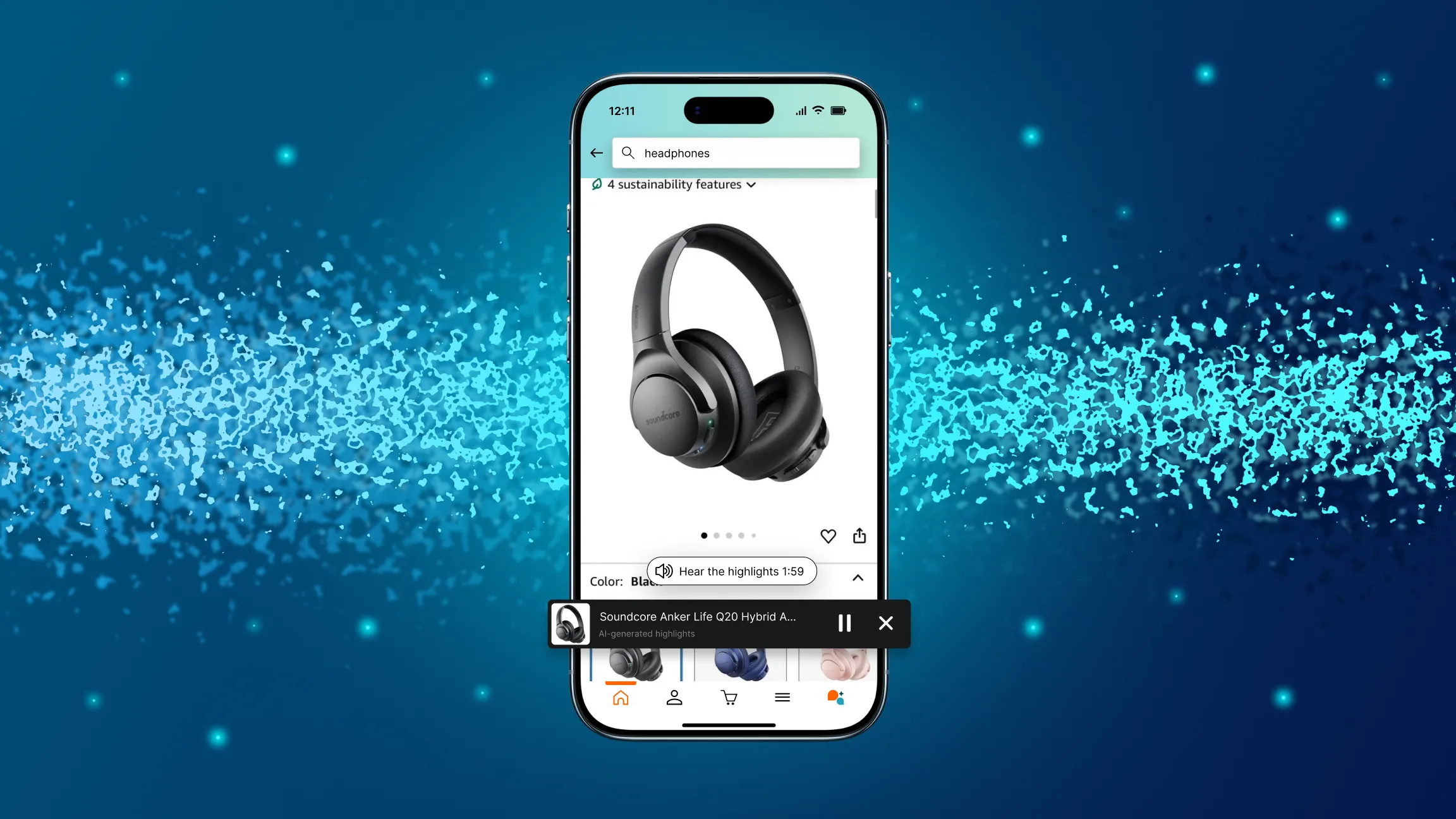
2. Creating educational materials. Artificial intelligence can produce a variety of instructional videos, including multilingual content. For example, UBS Bank in Switzerland generated avatars of its analysts and integrated them into explanatory videos.

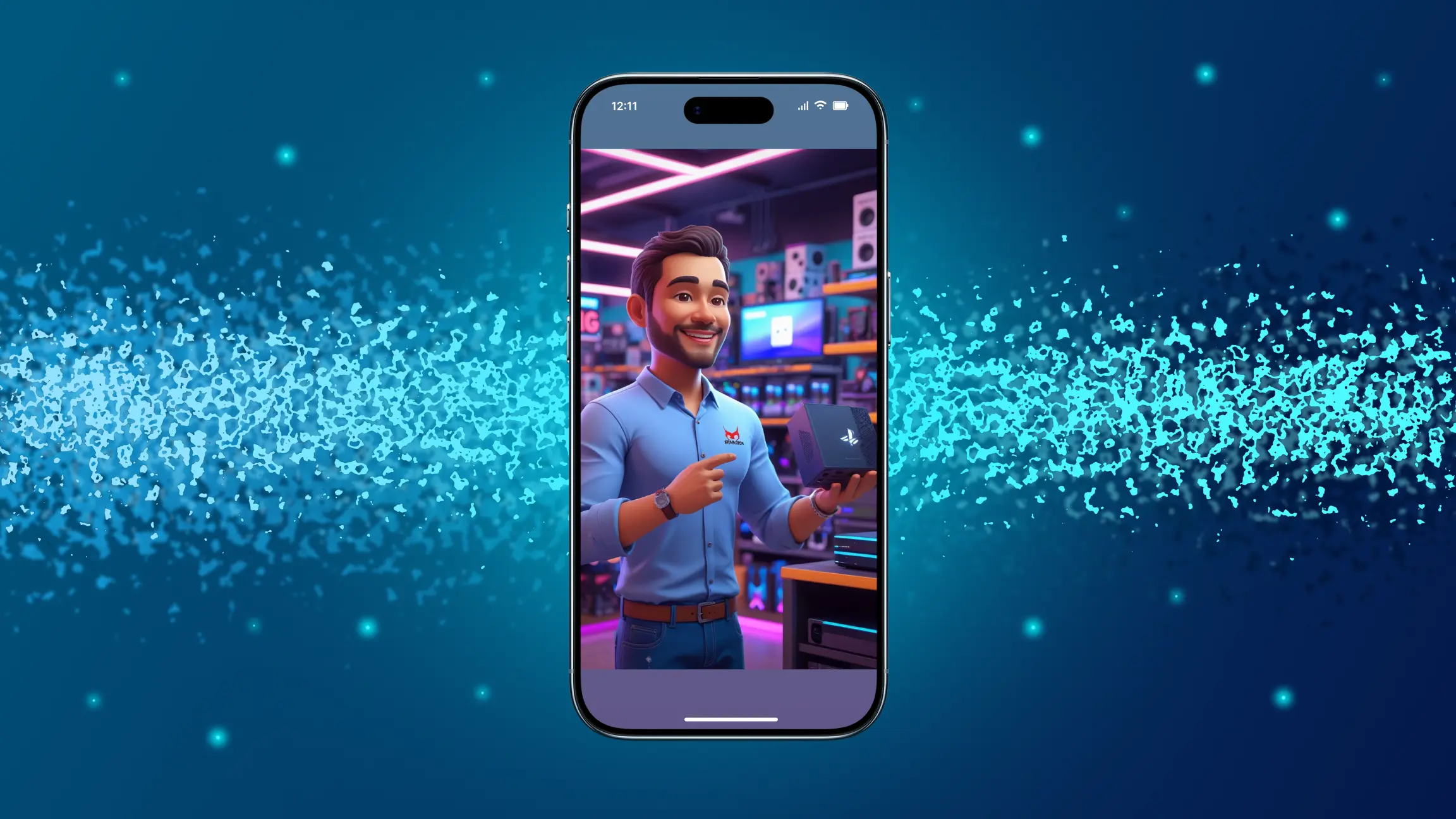
3. Paid Social media advertising. Platforms such as TikTok, Instagram, and Facebook are actively incorporating AI technologies into advertising. Generated avatars can be tailored to match a brand’s style and programmed to interact with the audience. This approach can replace traditional filming with actors.
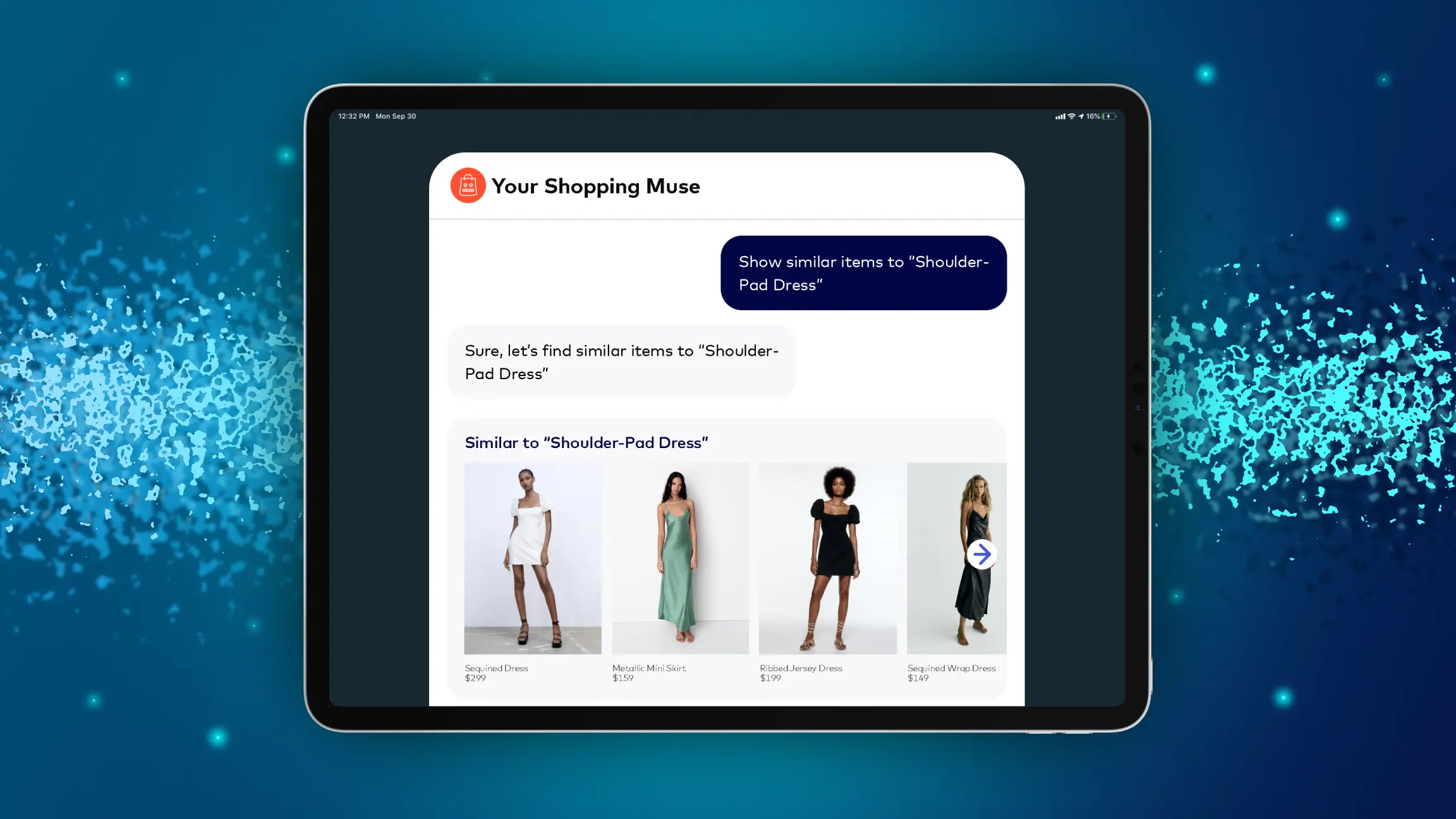
4. Dynamic e-commerce displays. Neural networks can create personalized storefronts for each shopper based on their preferences. This turns casual browsing into real shopping, boosting conversion and engagement. For example, Shopping Muse uses generative AI to transform any search query into relevant product collections.
5. Creating short, engaging videos. AI services can turn a product link into a ready-to-publish advertising video in just a few seconds. Brands such as Prada and Calvin Klein use the virtual influencer Lil Miquela on Instagram.

UGC advertising has long been synonymous with trust and authenticity. We followed influencers and made purchase decisions based on their experiences. However, a new format is now emerging on the market, and this type of content can leave viewers with both positive and negative impressions.
Developing UGC AI ads requires a well-thought-out strategy. Here are a few tips you can use going forward.
The next step, the AI tool synchronizes the text with the virtual character’s facial expressions and movements. The result is AI-generated UGC content ready for publication. Don’t forget to test the content, make adjustments, and maximize audience engagement.
It’s clear that artificial intelligence will continue to develop and increasingly influence the advertising space. What to expect in the future?
As a result, we will reach a new level of creativity. Brands that learn to skillfully combine AI with genuine human insight and strategic vision will gain an unprecedented advantage in capturing audience attention and trust.
The smartphone market in Southeast Asia (SEA) is highly diverse. User preferences, market shares, and brand growth rates vary significantly...
Your mobile application can be exceptional. Nevertheless, users won’t discover it if it gets lost deep in the query results....